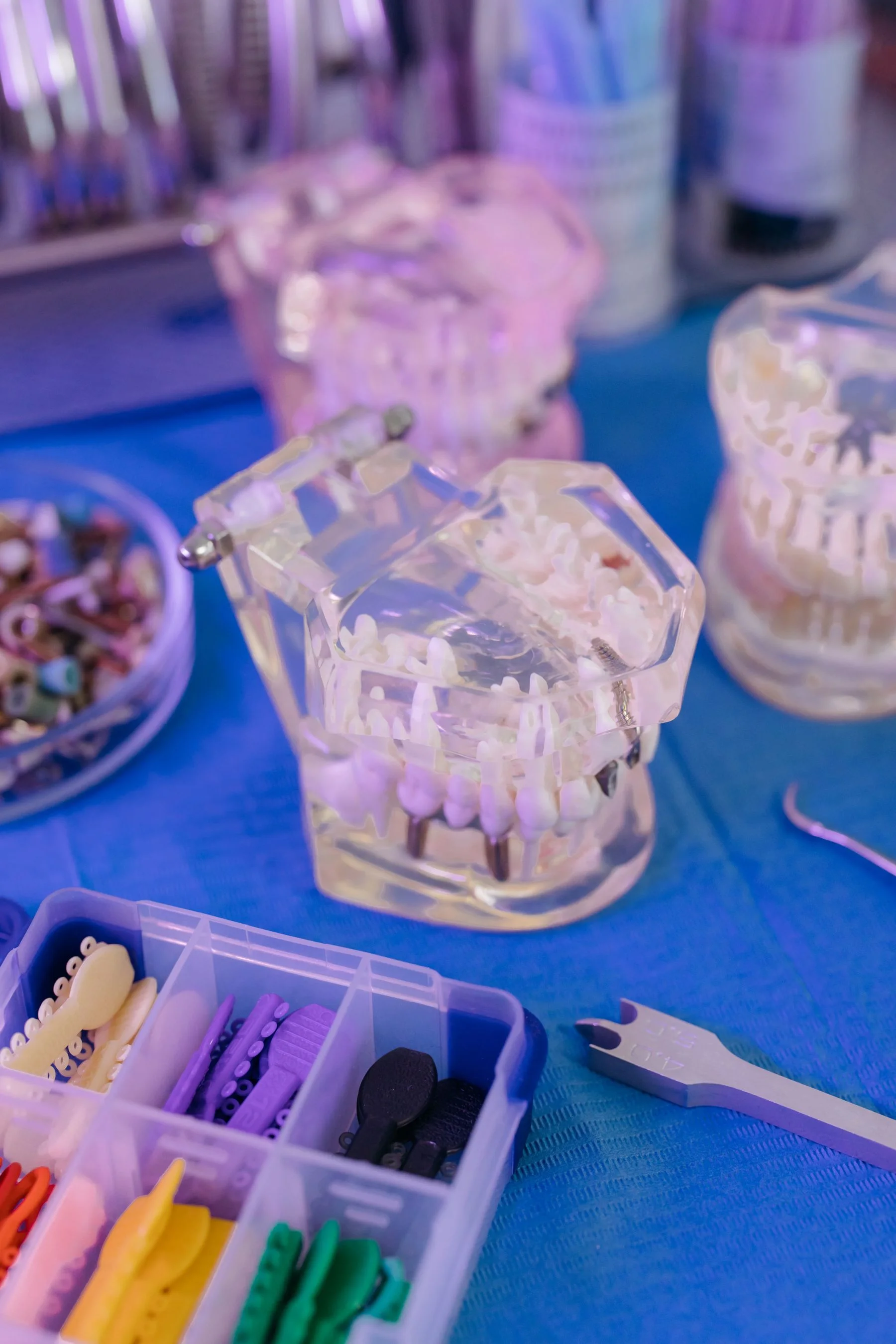
The right orthodontic appliance is the one that can accomplish the required movement safely and predictably in the context of the patient’s life—not simply the one that looks best in an advertisement.

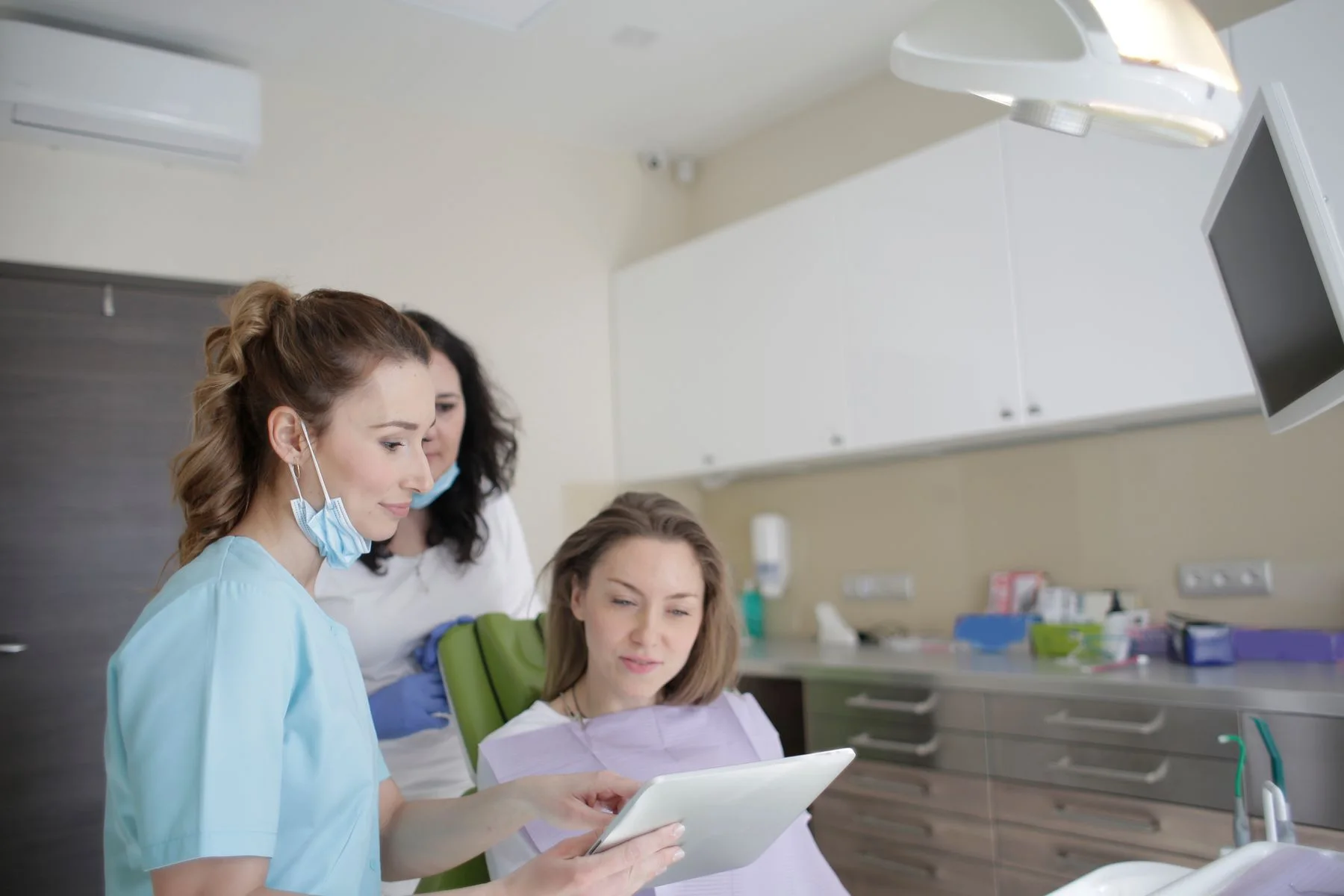
Diagnosis comes before the appliance
Tooth alignment, bite, jaw relationships, gum health, growth, missing teeth, and restorative plans may affect the recommendation. Proper records and clinical evaluation matter.
Aligners ask more of the patient
Removable aligners can be discreet and flexible, but wear time, insertion, hygiene, storage, and keeping track of the sequence require consistent cooperation.
Questions worth asking
- What findings support this recommendation?
- What reasonable alternatives should I understand?
- Which parts of timing, cost, or outcome remain uncertain?
- Who should I contact if circumstances change?
Braces can offer useful control
Fixed appliances may be advantageous for selected movements, complex cases, or patients who prefer not to manage a removable appliance. They also require specific hygiene and food precautions.
Monitoring is active care
Both options require clinical oversight. Visits are not just delivery appointments; the team checks biological response, tracking, hygiene, breakage, and whether the plan needs adjustment.
Retention is part of treatment
Teeth can move after active therapy. Retainer type, wear schedule, replacement, and long-term monitoring deserve attention before treatment begins.