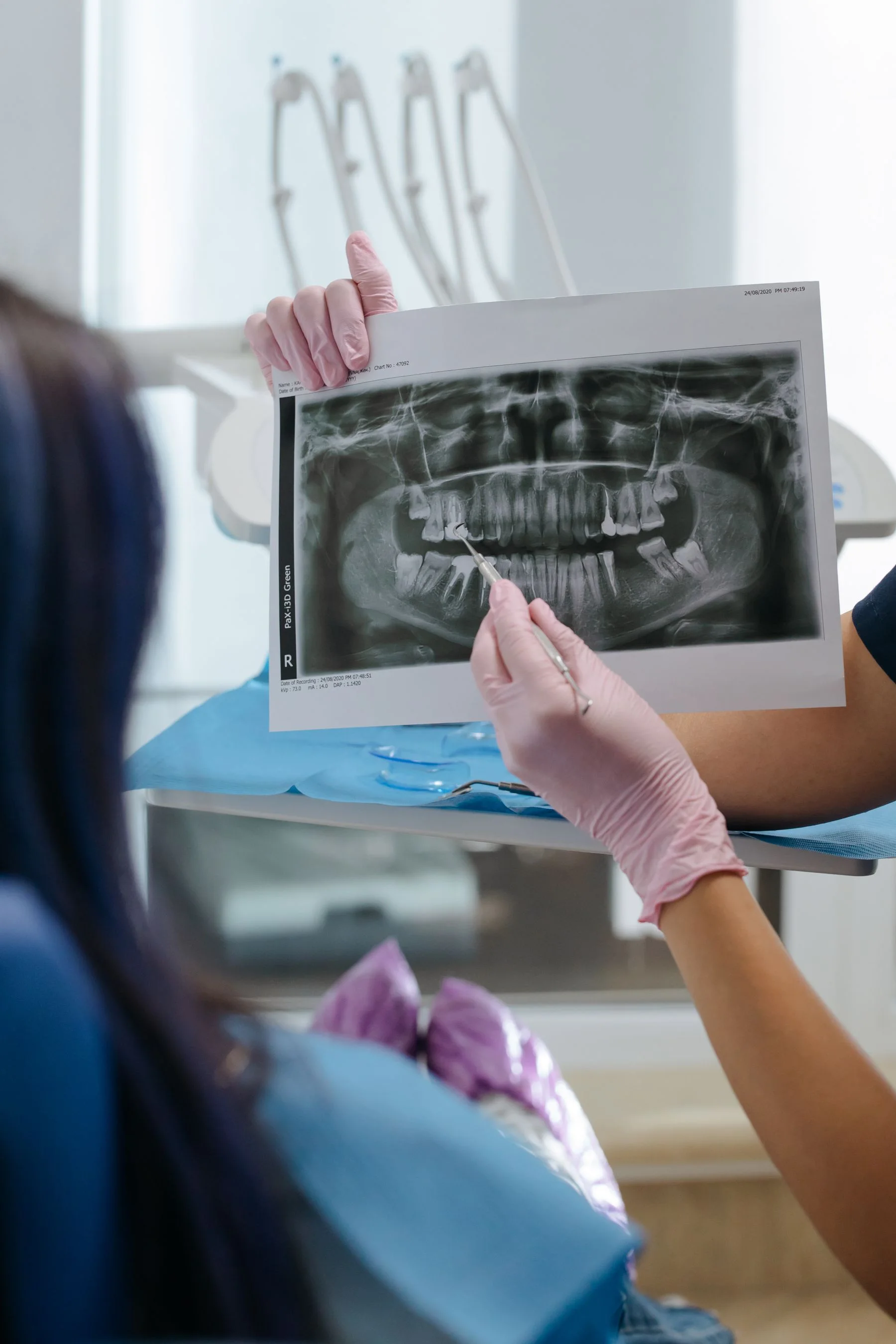
A good implant consultation is not a sales presentation. It is a structured clinical conversation about health, anatomy, goals, alternatives, sequence, and who needs to be involved.
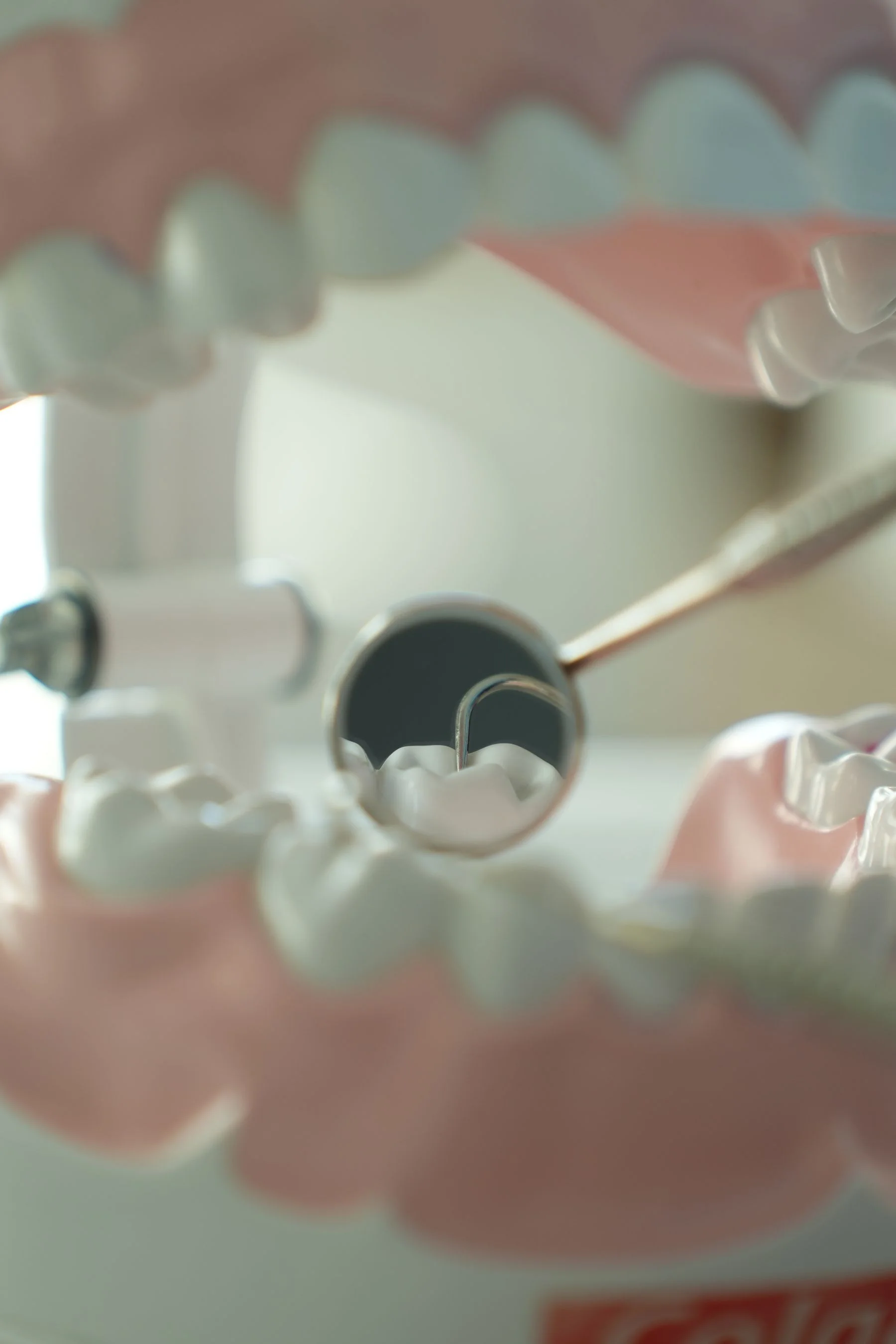

Start with the restorative destination
Implant planning should consider the final tooth or teeth from the beginning. The position, appearance, cleansability, bite, and maintenance of the restoration influence earlier decisions.
Records build context—not automatic answers
A clinician may use an examination, health history, photographs, radiographs, scans, and sometimes three-dimensional imaging. The appropriate records depend on individual circumstances.
Questions worth asking
- What findings support this recommendation?
- What reasonable alternatives should I understand?
- Which parts of timing, cost, or outcome remain uncertain?
- Who should I contact if circumstances change?
Candidacy is personal
Bone, gum health, smoking, medications, systemic conditions, healing, bite, hygiene, and expectations may all matter. Only qualified clinicians reviewing a real patient can determine candidacy.
Understand the sequence
Some plans are straightforward; others involve extraction, healing, grafting, surgical placement, provisional teeth, or specialist collaboration. Ask who performs each step and how communication is coordinated.
Bring better questions
Ask about alternatives, the reason for each recommended step, likely maintenance, relevant risks, who handles complications, how estimates are structured, and which assumptions could change.